

European Union (EU) sustainability legislation touches all businesses—even startups. The Corporate Sustainability Reporting Directive (CSRD) puts startups under higher pressure to align with investor sustainability due diligence—particularly in Series A round and beyond.
The Ecodesign for Sustainable Products Regulation (ESPR) creates new compliance requirements for startups. Almost all physical products (e.g., electronic devices and textiles) sold in EU will need to meet ESPR ecodesign requirements in the near future.

At ESGEra, we empower high-growth startups to turn sustainability from a regulatory burden into a strategic competitive advantage. Our affordable, bespoke ESG consulting services are designed to integrate seamlessly into your business strategy—helping you navigate complex and evolving EU regulations, such as the CSRD and ESPR, with 100% accuracy, based on the latest policy landscape.
We take a design-thinking, resource-efficient approach with the 80/20 principle—focusing only on the ESG actions that deliver the greatest strategic value with the least investment. Our work is innovative, lean, and outcome-driven—tailored to help you remove regulatory barriers, align with investor expectations, and position your company as a green leader in the future.






Our Ecosystem & Affiliations

ESGEra Consulting is a member of the EFRAG VSME community, which supports the development of the voluntary sustainability reporting standard for non-listed SMEs and micro-entities (VSME) under the CSRD. As part of this network, ESGEra contributes to the development of VSME practical guidance and ecosystem, helping make VSME accessible for businesses across the EU. ESGEra is also a member of Copenhagen School of Entrepreneurship (CSE) and the University of Copenhagen Lighthouse (KU Lighthouse).
EFRAG
EFRAG is the European Financial Reporting Advisory Group, known as a European centre of expertise on corporate reporting. It provides technical advice on the CSRD to the European Commission and develops CSRD’s sustainability reporting standards, including VSME and European Sustainability Reporting Standards (ESRS).
Copenhagen School of Entrepreneurship (CSE)
CSE is the entrepreneurship centre at Denmark’s largest and internationally renowned business school, Copenhagen Business School.
KU Lighthouse
KU Lighthouse is the innovation and entrepreneurship centre of the University of Copenhagen.
More About EFRAG, CSE, and KU Lighthouse





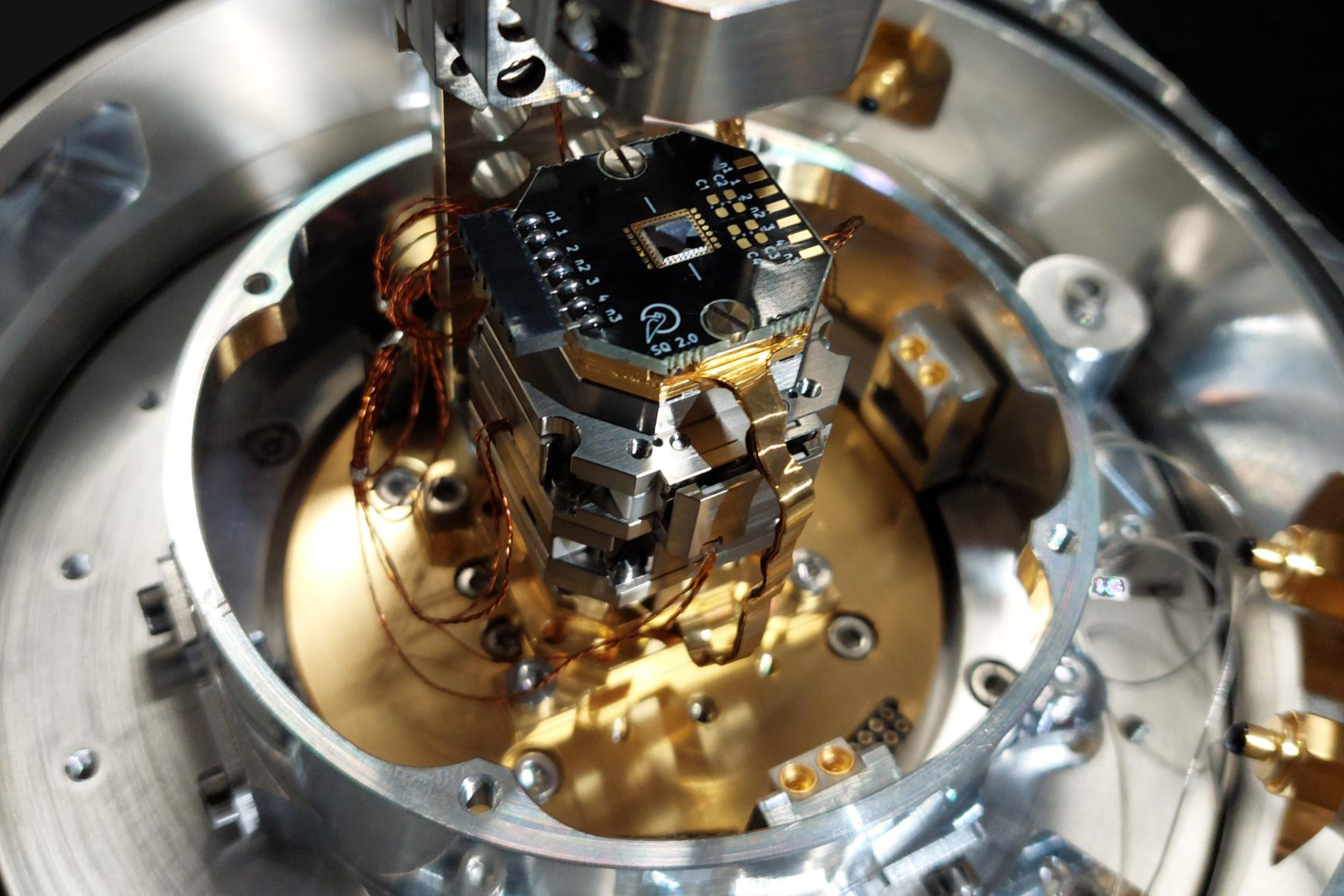
Case Study: Sparrow Quantum
Sparrow Quantum ApS is a Danish deep-tech startup founded by Prof. Peter Lodahl at the Niels Bohr Institute️, University of Copenhagen. Sparrow is a pioneer in photonic quantum chips, a breakthrough technology for quantum computing and communications. Backed by €21.5 M (DKK 160 M) in Series A funding, the company is positioning itself for rapid growth.
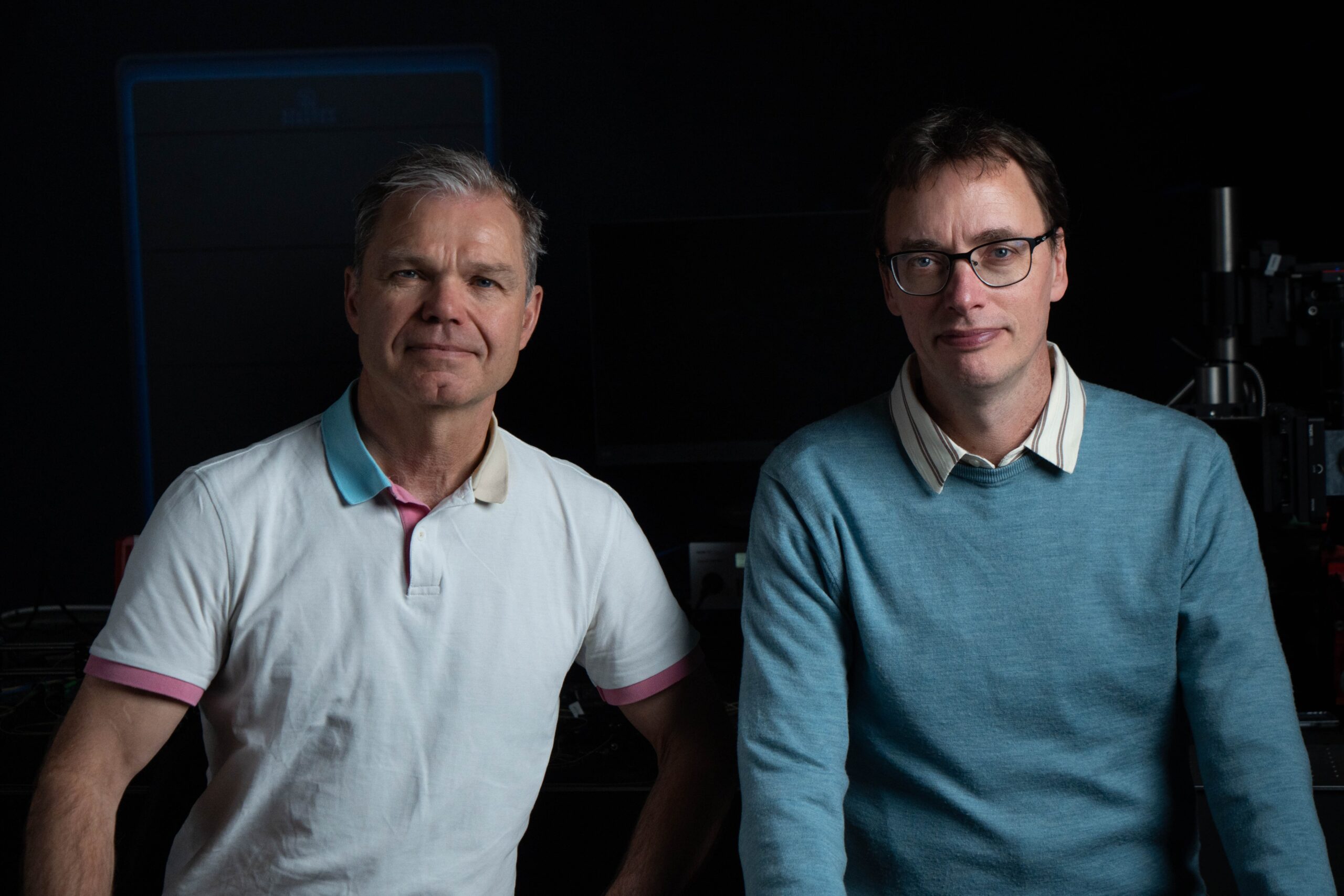
Left: Kurt Stokbro, PhD, CEO of Sparrow Quantum. Right: Prof. Peter Lodahl, Chief Quantum Officer & Founder of Sparrow Quantum
ESGEra Consulting helped Sparrow Quantum prepare for upcoming EU ESG legislation. We conducted an in-depth analysis of their exposure to the CSRD and ESPR—and developed a strategic, resource-efficient roadmap to align their sustainability efforts with investor expectations, compliance, and long-term growth.
More About Sparrow Quantum ApS


About Us

Vision & Mission
ESGEra Consulting is committed to ensuring no startup is left behind in the sustainability journey. We provide affordable, valuable and accessible ESG consulting services, with a strong focus on fast-growing startups. By integrating a sustainability agenda early into their business strategy, we help startups manage regulatory risks, reduce growth barriers, and enhance their attractiveness to investors, clients and partners. ESGEra empowers startups to position themselves as leaders in a sustainable future, turning ESG from a compliance requirement into a strategic advantage that drives long-term growth, resilience, and meaningful impact in a rapidly changing world.
Team
We are a diverse, mission-driven team of professionals—from PhDs in Data Science, MSc in Business Analytics to MBAs in Business Strategy—united by a shared passion for building a sustainable and inclusive future. We thrive in fast-paced, challenging environments and believe that ESG, when done right, is a powerful tool for driving innovation, creating impact, and ensuring business continuity.
FAQ
Frequently asked questions about ESGEra’s services on EU sustainability legislation.
Under EU sustainability regulations, ESG considerations are no longer a nice-to-have but a must.
For instance, on 5 December 2023, the European Commission (EC) reached an agreement on the Ecodesign for Sustainable Products Regulation (ESPR), which entered into force on 18 July 2024. The ESPR applies to nearly all physical goods placed on the EU market or put into service, including components and intermediate products. It sets ecodesign requirements such as longer product lifespans, greater energy and resource efficiency, easier repairability and recyclability.
If your startup designs or manufactures products that fall within the ESPR’s scope, you may better evaluate the applicability of ESPR early in your product development cycle to avoid costly redesigns or market entry delays. For more information, you can review the official ESPR regulation or contact us for a free assessment to determine if your products are affected.
Update: 1 June 2025
In the early stages of your startup journey, ESGEra Consulting can help you navigate the EU Ecodesign for Sustainable Products Regulation (ESPR). We assess whether your physical products fall under ESPR and guide you on what to do—and what not to do—with ESPR regulation. This ensures future access to the EU market while helping you avoid costly compliance issues down the line.
After the seed stage, securing Series funding is vital for startups to survive and scale. With the rise of EU sustainability regulations, investors are increasingly scrutinizing regulatory risks. Sustainability due diligence has become an inevitable step—especially from Series A funding onward. In fact, our current client has been asked to provide ESG information during due diligence and has turned to us for CSRD risk assessment to build investor confidence and accelerate time-to-funding.
Update: 1 June 2025
In short: from investors’ lens, sustainability becomes a must-check risk in today’s increasing EU sustainability regulations – particularly in Series A funding rounds and beyond.
Sustainability due diligence is no longer a hypothetical scenario—but a reality our clients have seen. ESG has become an important factor that can affect not only investment returns but also timing – particularly when considering initial public offering (IPO) exit strategy. According to EY’s insight, venture capitalists and private equity investors in the pre-IPO market phase want to know early on any sustainability risks that may reduce company value at exit.
CSRD Directive also adds potential delays to IPO timeline. Under the Directive, sustainability reporting is now mandatory by law even for small- and medium-sized companies like startups if they go public. Preparing sustainability reports usually takes 1.5–2 years.1, 2 Although ESG may not seem directly relevant to startups, it is becoming an increasingly important metric for investors. If investees are unaware of ESG regulations or fail to address them promptly, it can impact startups’ exit value, extend investor holding periods, and create significant uncertainties.
Update: 1 June 2025
Although the EU Corporate Sustainability Reporting Directive (CSRD) targets large and listed companies, its impact extends across entire value chains. Under the CSRD, regulated companies must disclose ESG impacts related to both upstream and downstream partners.1
Thus, even startups not subject to the CSRD may indirectly receive ESG information requests through their relationships with large customers and suppliers if these organizations are governed by the CSRD and require data from startups to complete their sustainability reports.
Update: 1 June 2025
1 Refer to paragraph 2 f(ii) of Article 19a and Article 29a about the sustainability reporting requirements laid down in the EU CSRD Directive.
Investors are increasingly considering a startup’s ESG initiatives to evaluate potential returns in mergers and acquisitions (M&A). Based on a recent global survey of dealmakers conducted by BCG and Gibson Dunn, there is a clear consensus that ESG due diligence is now indispensable in M&A transactions. This is primarily because ESG due diligence is critical not only for managing risks arising from regulations but also for preserving and enhancing deal value, according to dealmakers. As such, if a large player is looking to acquire your startup, ESG due diligence is inevitably used by the buyer to increase—or decrease—the company’s value. The later the investment stage, the greater the impact ESG may have on returns.
Update: 1 June 2025
It depends on your sector, growth trajectory, and location. If you’re fundraising (especially from Series A onwards) or expanding to serve large corporate clients, you may already be directly or indirectly affected by EU legislation—as many EU-based startups are. Relevant regulations include:
1. Corporate Sustainability Reporting Directive (CSRD)
2. EU Taxonomy Regulation (EUTAX)
3. Ecodesign for Sustainable Products Regulation (ESPR)
4. Directive on Repair of Goods (Right to Repair: R2R)
5. Sustainable Finance Disclosure Regulation (SFDR)
Update: 1 June 2025
It depends. If you are preparing for a Series A round, now is actually a great time to start. In fact, our current client has seen ESG due diligence requests during their Series A funding process. Investors will assess all your company’s risks, including EU sustainability regulatory risks, alongside your growth potential.
Addressing ESG regulatory risks early on is often easier, more cost-effective, and more credible than retrofitting solutions later. This is especially true if your products fall under the scope of the EU Ecodesign for Sustainable Products Regulation (ESPR). Nearly all physical goods—such as electronic devices—sold in the EU will need to comply with ESPR ecodesign requirements in the near future.1
We help you navigate complex EU ESG requirements and assess their impact on your products—so you’re better prepared and positioned to earn investors and customers trust as you scale.
Update: 1 June 2025
1 Refer to the indicative timeline for the adoption of various products and measures outlined in the Ecodesign for Sustainable Products and Energy Labelling Working Plan for 2025–2030.
Yes, we can still work with you. In fact, we often act as an external ESG brain for startups without internal capacity, helping them navigate EU sustainability regulations. Whether you need light-touch advisory or a fully outsourced ESG roadmap regarding EU regulations, we tailor our solutions to your startup’s journey and bandwidth.
Update: 1 June 2025
We combine startup speed—and mindset—with deep ESG expertise. Unlike traditional consulting firms, we strive to provide affordable services through innovation. We’re accessible, adaptive, and aligned with your specific needs and challenges arising from complex EU sustainability legislation.
Update: 1 June 2025